How to run a sports club without spreadsheets or ten WhatsApp groups.

3 min read
The reality of club sports
It’s Thursday night. The match is on Saturday and six families still haven’t confirmed. The coach posts in the team group, repeats the message, calls two parents and notes down the answers in a notebook, a spreadsheet, or by scrolling back through the chat. Meanwhile, the treasurer checks in Excel who hasn’t paid their fees, and the physio wonders whether the injured striker can return yet.
If you run, coach or volunteer at a club, this probably sounds familiar. None of it is serious on its own. The problem is that everything lives in different places.
The hidden cost of using a different tool for everything
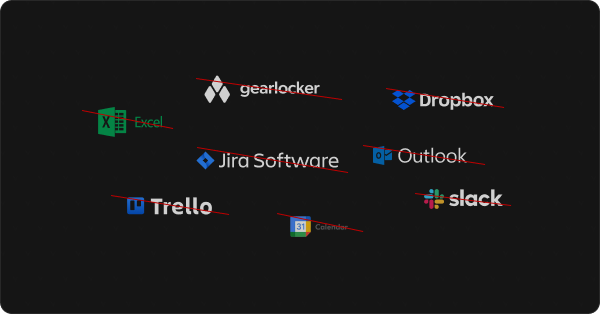
A small club usually ends up with a mix like this: WhatsApp for announcements, Excel for members and fees, a shared calendar for training and matches, cloud folders for documents and, sometimes, a notebook for equipment. Each tool works, but together they create friction:
- Duplicated information. The same detail gets written in three places and, sooner or later, one of them goes out of date.
- People who don’t know where to look. Families get lost among groups and old messages.
- Lost history. When a coach or a manager leaves, part of what the club knew leaves with them.
- Improvised privacy. When everything lives in a group chat or a shared sheet, it’s hard to control who sees what, which is especially sensitive with minors and medical data.
What a club really needs
Before choosing any tool, it helps to know what needs to be covered. This list is a good starting point:
- Squads and season: teams, players, coaching staff and families, each with the access that fits their role.
- Calendar and match call-ups: training, matches and meetings in one place, with families confirming directly.
- Match day: line-up, result and incidents recorded the same day.
- Player availability: who is injured, who is coming back and what follow-up they have.
- Fees and payments: see at a glance who is up to date.
- Communication: clear announcements that don’t get buried among messages.
- Equipment: who has the kits, the balls and the first-aid kit.
If your club covers these seven areas with a coherent system, it has already saved a lot of time, whatever tool it uses.
One place, and everyone sees what’s relevant to them
The key isn’t just bringing everything together, but giving each role its own experience. The director needs to see the season, the club calendar and teams, scheduling overlaps, people and fees. The coach needs to prepare the match, the line-up, the tactics and the call-up. The medical staff record injuries, follow up on recoveries and mark availability. Families see the call-ups, availability, and what they need to confirm and pay, nothing more.
We’re in beta and working with clubs to refine the product. If you’d like to know whether Cuiver would fit yours, or simply want to chat about how you organise your season, write to us through the website. We reply to every message.